
Recall News · Explainer
Recall vs. service bulletin vs. investigation: three different animals.
A forum post says 'there's a bulletin on that.' A headline says your car is 'under investigation.' A letter says 'recall.' Owners use the three interchangeably — manufacturers and NHTSA do not. Only one of them guarantees you a free fix, only one is a question rather than an answer, and one is mostly a memo to dealers. Knowing which animal you're looking at decides what you do next.
Check if your vehicle is affected
A story about a model is not proof that your individual vehicle is affected. Only a VIN check can tell you whether your vehicle has an open recall.
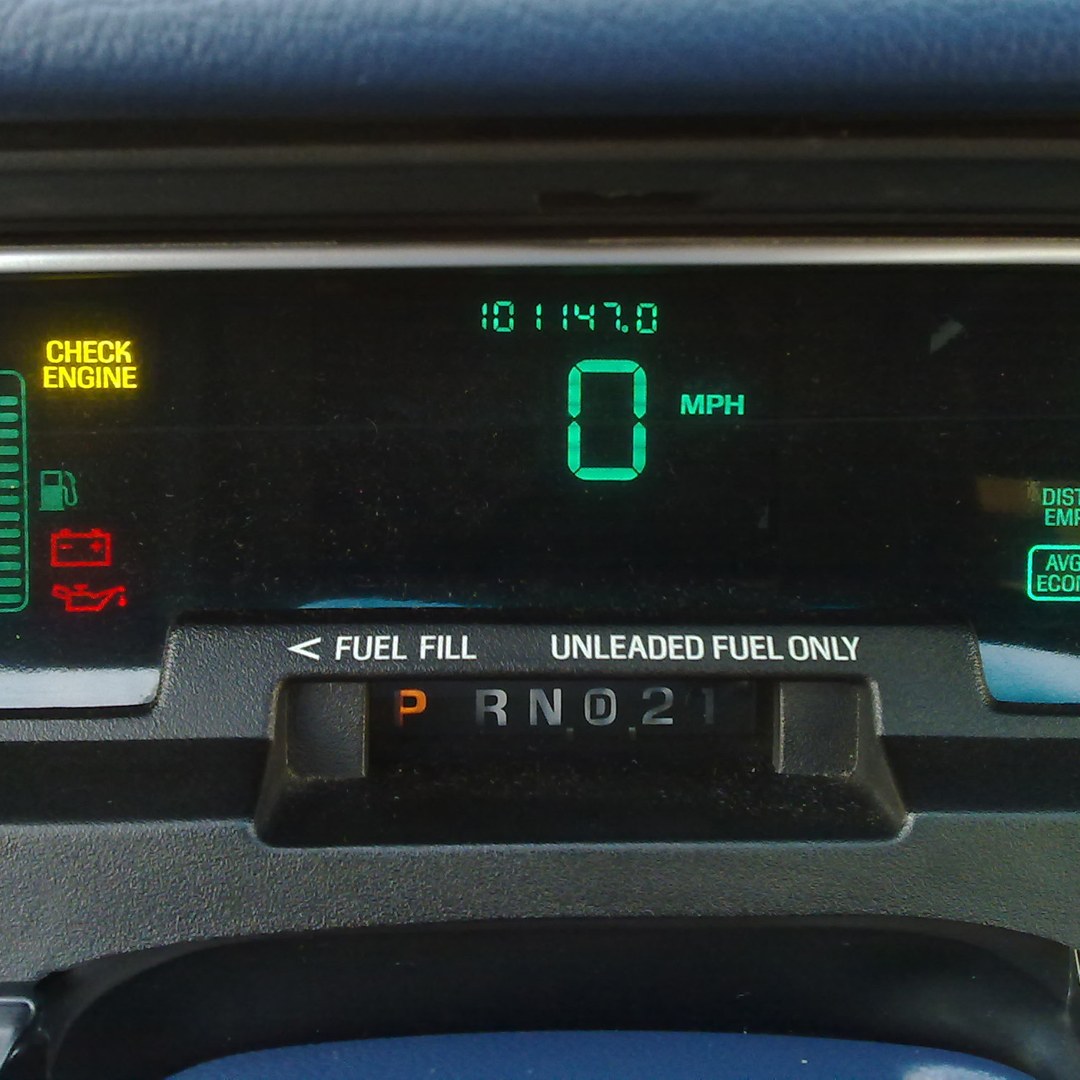
Ruben de Rijcke, CC BY-SA 3.0, via Wikimedia Commons
The 30-second field test
- Identify the animal first: campaign number = recall; ODI action number = investigation; bulletin/communication number = TSB.
- Recall? Run your VIN to confirm your specific vehicle is in the population, then book the free fix.
- Investigation? Note the subject — if it matches your car and its symptoms, file your own complaint with NHTSA; investigations are built out of owner reports, and yours adds weight.
- Bulletin? Match it against your car's actual symptoms. No symptom, no action — a bulletin is not a defect verdict on your individual car.
- When in doubt, the VIN check arbitrates: if it's a recall on your car, it shows. If it doesn't show, you were looking at one of the other animals.
Three words, three obligations
Safety
The confusion has a cost in both directions. Owners who mistake a service bulletin for a recall march into dealerships demanding free repairs nobody owes them. Owners who mistake an investigation for background noise — or a recall for 'just a bulletin' — ignore the one document that actually puts a free fix on the table. The words matter because the obligations do.
A recall is a conclusion. A safety defect (or a failure to meet a federal standard) has been identified in a defined set of vehicles, the manufacturer must notify owners and remedy it without charge, and the whole thing is anchored to your VIN under a campaign number. When we say a recall exists for your car, we mean a specific, checkable, legally backed fact.
An investigation is a question. NHTSA's Office of Defects Investigation collects complaints and data, and may open a formal inquiry — a preliminary evaluation, sometimes escalating to an engineering analysis. It has an ODI number, a subject, and a status. It does not have a remedy, because nobody has concluded anything yet. Some investigations close with no action. Others become recalls — which is why 'under investigation' is neither 'safe' nor 'condemned.' It means: being looked at.
A service bulletin is a memo. Manufacturers issue technical service bulletins to tell their dealers 'we've seen this issue; here's the diagnosis and the fix.' They cover everything from rattles to software quirks. Crucially, a bulletin is not a safety finding and carries no free-repair obligation — if your car is out of warranty, the fix it describes is usually yours to pay for, unless the manufacturer extends coverage. NHTSA republishes bulletins as 'manufacturer communications,' which is how a dealer memo ends up looking official enough to confuse everyone.
Telling them apart in the wild
So the practical test for anything you read — a letter, a headline, a forum post — is three questions. Is there a campaign number and a free remedy? That's a recall: act on it. Is there an ODI investigation number and words like 'reviewing' or 'evaluating'? That's an investigation: your move is to watch it, not to book a repair that doesn't exist. Is it a bulletin number with a repair procedure and no safety finding? That's a TSB: useful information if you have the symptom, but expect a bill unless warranty or goodwill covers it.
The pipeline runs one direction: complaints feed investigations, investigations can force or prompt recalls, and recalls generate bulletins telling dealers how to perform the fix. The same defect can appear in all three costumes across its life — which is exactly why the costume matters less than the stage.
This is also why our engine tracks all three stages where the data allows: we follow 5,351 NHTSA investigations (224 open right now) alongside the 15,634 recall campaigns, and flag the moments an investigation produces a recall or a recall changes state. An open investigation on your model is the earliest warning the system offers — months before any letter could exist.
What to do with each
- Status
- A service bulletin means the dealer got a memo — repairs are usually on you
- Cost
- Free
Holding a recall notice: book the free fix — any authorized dealer, campaign number in hand. Holding news of an investigation: there's nothing to book yet; instead, make sure you'd hear if it converts — run your VIN now (it establishes your baseline) and consider watching the vehicle so a new campaign reaches you when it lands.
Holding a service bulletin that matches a symptom your car has: print it and take it to the dealer — it can shorten diagnosis and occasionally supports a goodwill repair request, especially on a known pattern failure just outside warranty. Just go in knowing the bulletin itself promises information, not a free repair.
Quick answers
| Recall | A safety or standards defect is confirmed. Manufacturer must fix it free. Has a campaign number (e.g. 26V-104) and is checkable by VIN |
| Investigation | NHTSA's Office of Defects Investigation is examining reports. No defect confirmed, no remedy yet. Has an ODI action number |
| Service bulletin (TSB) | A manufacturer's memo to its dealers about a known issue and how to handle it. Not safety-mandated; the repair is usually paid unless a warranty covers it |
| Investigations tracked | 5,351 in our engine — 224 open as of October 21, 2026 |
| The one that pays | Only the recall guarantees a free repair |
| Where they blur | NHTSA publishes bulletins as 'manufacturer communications' — on the same website as recalls, which is where the confusion starts |
Questions owners ask
My car is 'under investigation.' Should I stop driving it?
An investigation alone isn't a safety verdict — it means NHTSA is evaluating reports. Read the investigation's subject: if it describes a sudden-failure risk (fires, stalling, steering) and your car shows those symptoms, treat that seriously with a dealer visit. Otherwise, the correct action is monitoring, not panic.
A dealer quoted me $600 for something there's a 'bulletin' about. Is that legal?
Yes, generally. A service bulletin doesn't obligate anyone to pay for the repair — it's guidance, not a recall. If your car is under warranty, argue the repair belongs there; if it's a widespread known defect just past warranty, ask the manufacturer about goodwill assistance. And double-check with a VIN run that it isn't actually a recall — that would make it free.
Can an investigation turn into a recall years later?
Yes. Investigations can run long, get upgraded from a preliminary evaluation to an engineering analysis, and end in a recall long after the first complaints. It's one reason a clean VIN check today isn't a lifetime guarantee — the pipeline keeps moving.
Why does NHTSA's site show 'manufacturer communications' for my car?
Those are the bulletins — NHTSA collects and publishes them for transparency. They are not recalls and don't mean your car is unsafe; they mean the manufacturer once wrote dealers a memo involving your model. The recalls section of the same page is the one with legal weight.
Is a 'voluntary recall' different from a real recall?
No — 'voluntary' describes who initiated it (the manufacturer, before being ordered), not a lesser status. A voluntary recall carries the same free-remedy obligation and the same campaign number as any other.
Sources
- NHTSA — Office of Defects Investigation: how investigations work (official)
- NHTSA — Recalls & safety issues: recalls, complaints and manufacturer communications explained (official)
- MyAutoRecalls recall database — 5,351 NHTSA investigations tracked, 224 open; 15,634 recall campaigns (counted October 21, 2026)
- 49 U.S.C. § 30120 — the free-remedy obligation that attaches to recalls and to nothing else in this article (official U.S. Code, via Cornell LII)
Last verified November 7, 2026 against official sources. If a source link disagrees with this article, the official record governs — tell us and we will correct it.
When it's a recall, the fix is free. When it isn't, at least you'll know what you're holding.
Check your vehicleWhat this story means
An editorial explainer about a federal recall. A story about a model is not proof that an individual VIN is affected or that a repair remains open.
Not affiliated
MyAutoRecalls is not affiliated with any manufacturer or the National Highway Traffic Safety Administration.
Corrections
When material facts change, this article is visibly updated with a new material-update date. Report an error.