
Recall News · Owner's guide
Selling your car with an open recall: what's legal, what's smart
Short answer: if you're selling a used car, no federal law makes you fix an open recall first — the fix-before-sale rule covers new cars and rental fleets, not you. But the repair is free, it takes one dealer visit, and a recall you disclose beats a recall the buyer discovers. Here is the law, lane by lane, and the smart way to handle the sale.
Check the car you're selling
A story about a model is not proof that your individual vehicle is affected. Only a VIN check can tell you whether your vehicle has an open recall.
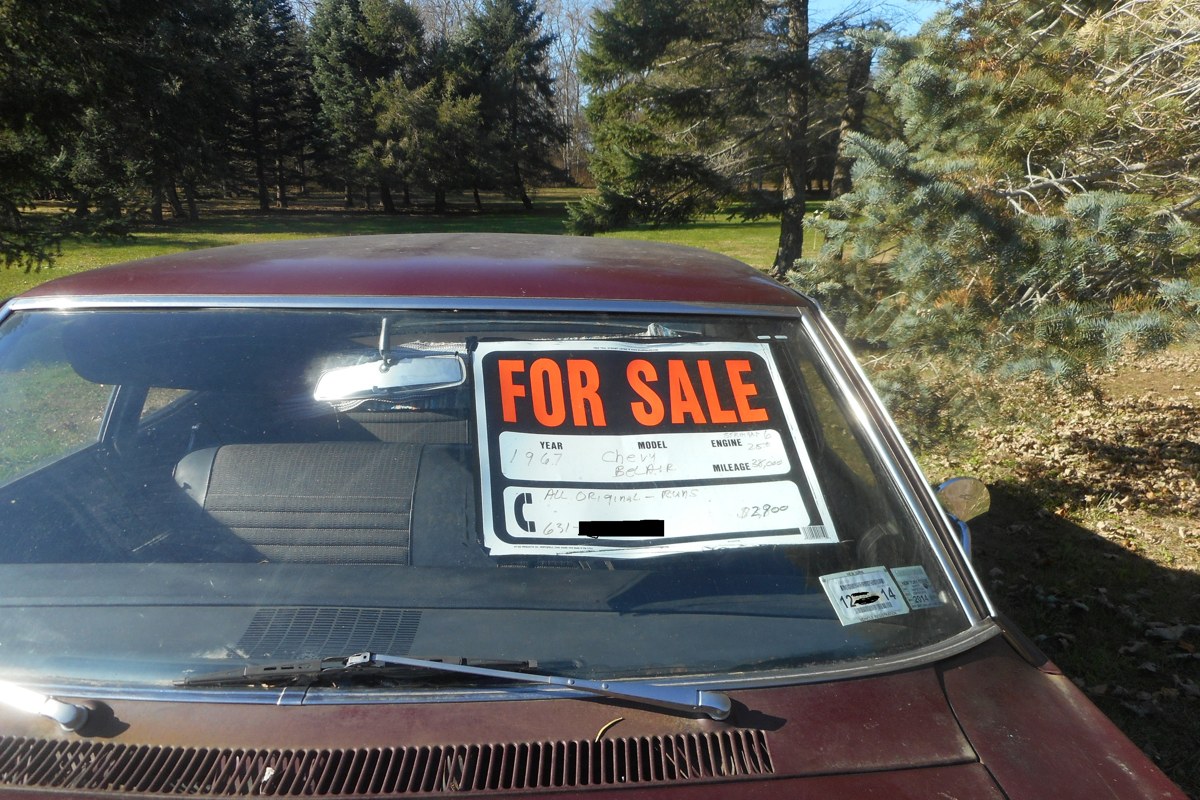
DanTD, CC BY-SA 4.0, via Wikimedia Commons
Before you list it
- Run your VIN — on this site or at NHTSA.gov — before you write the ad. It takes about a minute, and it is the same check your buyer will run.
- If a recall is open and a fix is available, book the dealer visit before you list the car. The repair is free, and 'recall completed' with a receipt is a selling point, not a confession.
- Keep the paperwork: the dealer invoice showing the recall was completed — or, if no fix exists yet, the recall notice itself. Hand it over with the service records.
- Selling with the recall still open? Say so in the listing and again in writing at the sale: which recall it is, that the fix is free at a franchised dealer, and that the right to it transfers to the buyer.
- Trading in instead? The dealer will find the recall in their own check. A franchised dealer can often complete their own brand's recall in-house, but an open recall can still show up as a lower offer — getting it fixed free beforehand removes the argument.
- Price honestly. A disclosed recall with a free fix shouldn't cost you much. An undisclosed one that the buyer discovers can cost you the deal.
The risk
Safety
Most sellers learn about their car's recall from the buyer. Smart buyers run the VIN before they pay, and every dealer runs it on a trade-in appraisal. If the recall surfaces for the first time in their check instead of your listing, you lose the negotiating ground you would have had by raising it yourself — and possibly the sale.
There is a legal edge, too. No federal law requires a private seller to fix a recall, or even to mention one. But deliberately concealing a known safety defect — or saying 'no recalls' when you know otherwise — can be treated as fraud under state law, and disclosure rules vary by state. 'I didn't know' only protects you if it's true, and a one-minute VIN check makes it hard to claim with a straight face.
And the plainest risk: an open recall is a known safety defect. If someone is hurt by the exact failure you knew about and kept quiet, the conversation stops being about car prices. The fix costs nothing. There is no version of this math where silence wins.
The law, in three lanes
New cars: a hard federal stop. Under the federal Motor Vehicle Safety Act (49 U.S.C. § 30120), a dealer cannot sell or lease a new vehicle with an unrepaired safety recall — it must be fixed before delivery. If you are buying new, an open recall is the dealer's problem, full stop.
Used cars: the famous gap. The federal fix-before-sale rule does not reach used vehicles. NHTSA confirmed in a 2002 rulemaking that the statute doesn't apply to used-car sales, and bills introduced in Congress to close the gap have not passed. So a used car — at a dealer or in a driveway — can generally be sold with an open recall. A few states add their own rules for dealers, and ordinary fraud and consumer-protection law still applies, but there is no federal fix-it-first rule.
Rental cars: the lane Congress did close. The Raechel and Jacqueline Houck Safe Rental Car Act is named for two sisters killed in 2004 in a rented Chrysler PT Cruiser that was under a recall — a power-steering hose defect — that had never been repaired. Since June 1, 2016, rental companies with fleets of 35 or more vehicles must ground a recalled car until it is fixed, and cannot rent or sell it in the meantime. Notice the pattern: every time federal law has answered this question, it has said 'fix it before it changes hands.' Used-car sales are the one lane still open — which is why the choice lands on you.
Remedy and cost
- Status
- Free at any franchised dealer for the car's brand
- Cost
- Free
The repair itself is free — to you, and to whoever owns the car next. Federal law requires the manufacturer to remedy a safety recall at no charge: parts, labor, everything, at any franchised dealer for the car's brand. The right follows the car, not the owner, so the fix can happen before the sale, after it, or at trade-in. It makes no difference to the price of the repair: zero.
One limit worth knowing: the free-remedy obligation covers vehicles up to 15 years old, counted from the date the car was first sold new (NHTSA's statement of the rule). Manufacturers often repair older vehicles anyway, but if your car is past that line, have the dealer confirm cost before you promise a buyer a free fix.
If the remedy isn't available yet — parts still in production, fix still being developed — you can't get it done before the sale, and that's fine. That's the one case where disclosure does all the work: tell the buyer, in writing, which recall is open and what the manufacturer has said about timing.
The rules at a glance
| Selling a NEW car with an open recall | Barred by federal law until the recall is fixed |
| Selling a USED car with an open recall | No federal ban — a few states add their own dealer rules |
| Renting out a car under recall | Rental fleets (35+ vehicles) must fix it first — Houck Act, in force since June 1, 2016 |
| Cost of the recall repair | $0 — the manufacturer pays for parts and labor |
| Free-repair age limit | Vehicles up to 15 years from the date of first sale |
| Private-sale disclosure duty | No federal rule — but hiding a known defect can be fraud under state law |
Questions owners ask
Is it illegal to sell my car with an open recall?
For a private sale of a used car, no federal law prohibits the sale or requires the fix first. The federal fix-before-sale rules cover new cars at dealerships and rental fleets. State law varies, and lying about a known defect is a separate problem everywhere — but the sale itself is generally legal.
Do I have to tell the buyer about the recall?
There is no general federal disclosure duty for private sellers. But some states impose duties of their own, and actively hiding a known safety defect — or answering 'no recalls' when asked — can be fraud. Written disclosure is the safer move legally, and it costs you nothing: the fix is free for the buyer, too.
Will the dealer really fix it free if I'm about to sell the car?
Yes. The free remedy belongs to the car, not to you personally. Any franchised dealer for the brand performs it at no charge — for vehicles up to 15 years from first sale under NHTSA's rule — whether you are keeping the car, selling it privately, or trading it in.
I'm trading in. Should I fix the recall first?
Usually, yes. The dealer will run your VIN during the appraisal, so the recall will surface either way. They can often complete their own brand's recall in their own shop, but some will still shade the offer for the time and hassle. A free fix beforehand takes that argument off the table.
What if the recall has no fix yet?
Then sell with disclosure. Tell the buyer — in writing — which recall is open, that no remedy is available yet, and that they can register their contact details with the manufacturer to be notified. You can't fix what doesn't exist; you can only be straight about it.
Is this legal advice?
No. This is a plain-English summary of the federal picture as of October 2026, and state law varies on top of it. If you're already in a dispute over a sale, talk to a lawyer in your state.
Sources
- NHTSA — Motor Vehicle Safety Defects and Recalls: What Every Vehicle Owner Should Know (free-remedy rules and the 15-year limit)
- Georgia Attorney General, Consumer Protection Division — dealership sales of vehicles with open safety recalls (federal new-car ban; used vehicles not covered)
- LegalClarity — Can a Dealership Sell a Used Car With an Open Recall? (49 U.S.C. § 30120 and the used-car gap, incl. NHTSA's 2002 rulemaking)
- Auto Rental News — Safe Rental Car Act: What Now? (Houck Act coverage, grounding deadlines, effective June 1, 2016)
- U.S. Senate — Safe Rental Car Act summary (prohibits rental or sale of recalled vehicles by major rental companies)
Last verified October 20, 2026 against official sources. If a source link disagrees with this article, the official record governs — tell us and we will correct it.
Selling soon? Run the VIN before the buyer does.
Check your VINWhat this story means
A seller's guide built on official NHTSA guidance and federal law. General information, not legal advice.
Not affiliated
MyAutoRecalls is not affiliated with any manufacturer or the National Highway Traffic Safety Administration.
Corrections
When material facts change, this article is visibly updated with a new material-update date. Report an error.
The official word
The rules in this guide come from NHTSA's owner booklet and federal law — every claim is linked in Sources below.